
Humans used to become celebrities because they could act, sing, or throw a football really well. Now half of them are secretly CEOs with product lines making more money than their actual careers. Somewhere along the way, Hollywood turned into Shark Tank with better lighting and more teeth whitening.
What surprised me most when I started paying attention to celebrity businesses was realizing that movies and music are often just the marketing department. The real money comes later. Fame builds trust, attention builds audiences, and audiences buy products. Some celebrities figured this out early and built brands that now generate more income than the blockbusters that made them famous.
Here are five celebrity brands that reportedly make more than the movies, albums, or TV shows that launched their owners into stardom.
1. Rihanna’s Fenty Empire
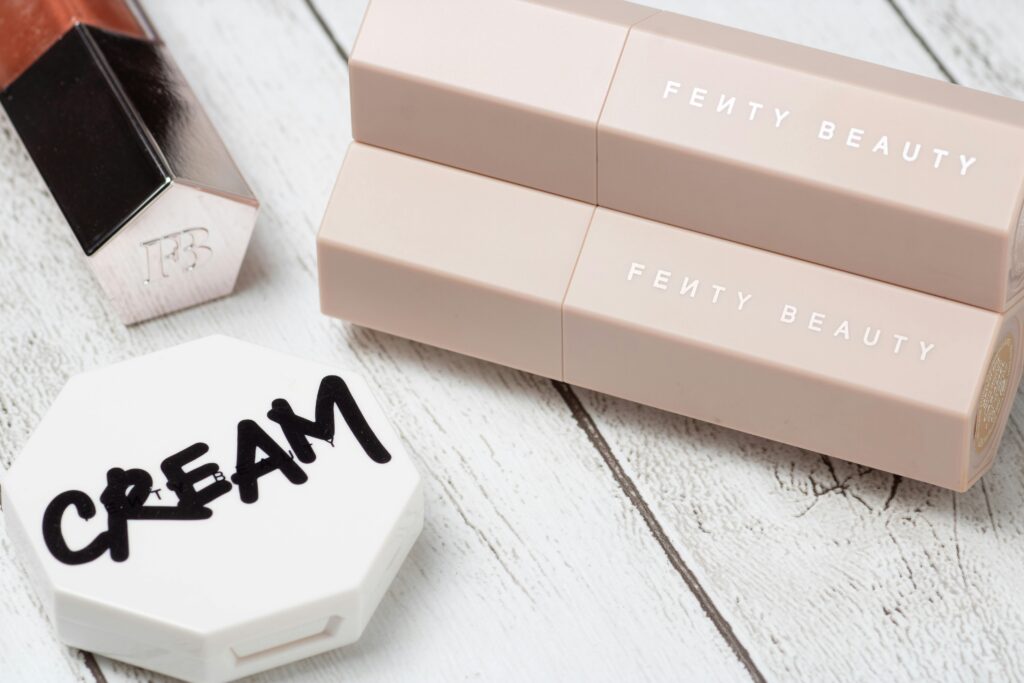
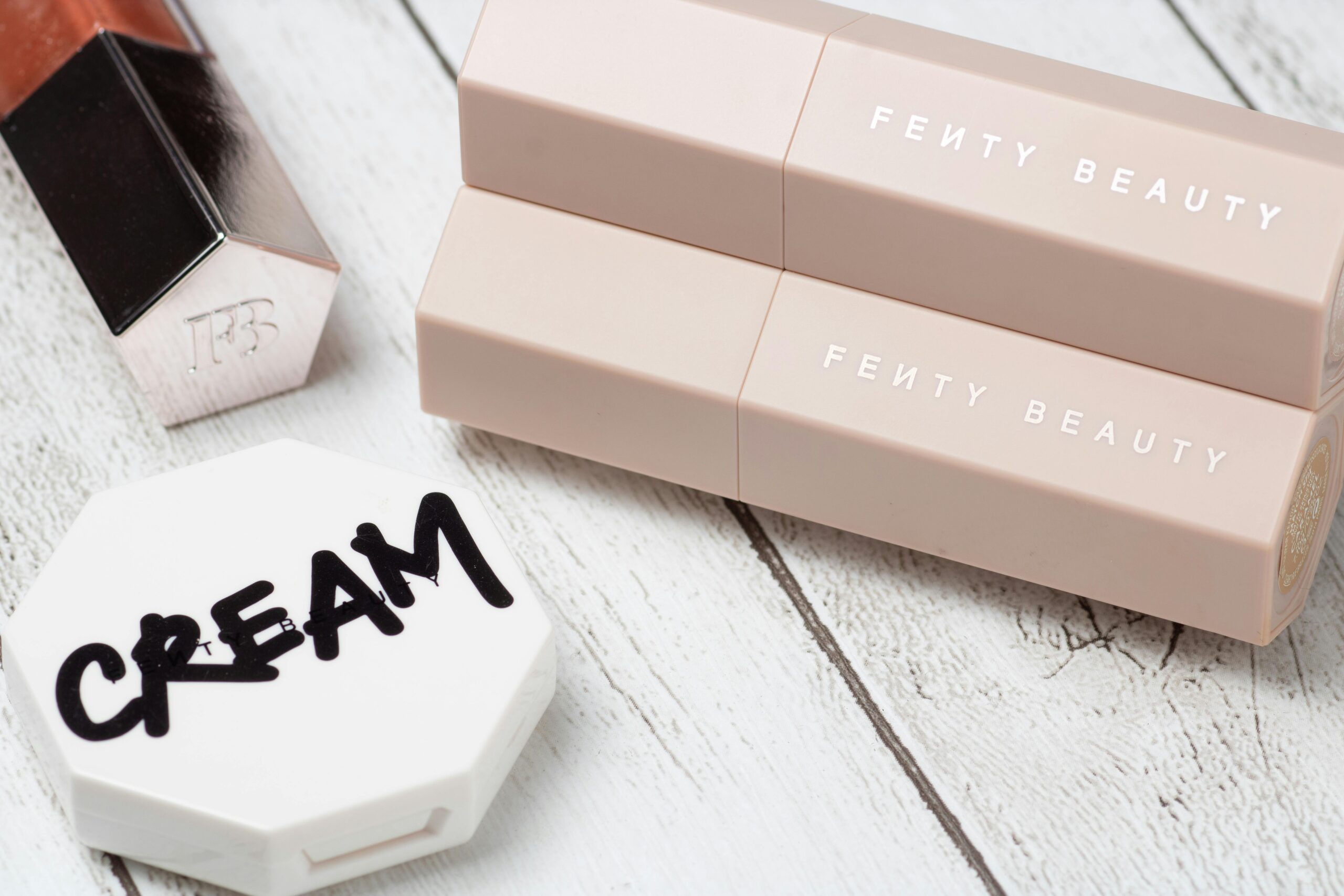
Rihanna could have comfortably lived off music royalties and tours forever, but she turned herself into something much bigger than a pop star. Her Fenty Beauty line changed the cosmetics industry almost overnight by offering a massive range of foundation shades that many brands had ignored for years.
That move wasn’t just smart socially. It was smart financially.
Fenty Beauty exploded because people actually felt included, and the company reportedly generated hundreds of millions in revenue very quickly. Then came Savage X Fenty, her lingerie brand, which added another giant stream of income.
At this point, Rihanna’s business empire arguably overshadows her music career financially. Ironically, every time fans beg for a new album, she’s probably in another board meeting discussing expansion strategy and profit margins. The woman found a way to make billions selling lipstick while people still stream songs she released years ago. Ruthlessly efficient.
2. George Clooney and Casamigos
George Clooney spent decades becoming one of Hollywood’s biggest movie stars, but tequila is what pushed his financial success into another dimension.
Casamigos started almost accidentally as a tequila brand for Clooney and his friends. It was never supposed to become a giant business. Then humans did what humans always do when celebrities touch alcohol: they bought enormous amounts of it.
The brand became wildly successful and was eventually sold in a deal reportedly worth up to $1 billion.
Think about that for a second. A tequila company potentially earned Clooney more money than years of starring in films. Oceans Eleven was cool, but apparently margaritas were the real blockbuster.
It also revealed a pattern that now dominates celebrity business culture. Alcohol brands are attractive because they scale fast, profit heavily, and rely on image. Celebrities already sell image for a living. Adding liquor to the equation is practically inevitable now.
3. Jessica Alba’s Honest Company
Jessica Alba took a very different approach from many celebrity entrepreneurs. Instead of building a flashy luxury product, she focused on everyday household and baby products through The Honest Company.
At first, many people assumed it was another celebrity side project that would disappear after a few magazine interviews. Instead, the company grew into a major consumer brand centered around “clean” and family-focused products.
The business eventually went public, proving that celebrity brands do not have to stay trapped in beauty products or alcohol. Alba leveraged trust and relatability instead of glamour, and it worked.
Honestly, this one fascinates me because it feels less like celebrity merchandising and more like a legitimate long-term business operation. She didn’t just slap her face on a bottle and disappear. She helped build an entire company identity.
4. Ryan Reynolds and Aviation Gin
Ryan Reynolds weaponized humor better than almost any celebrity entrepreneur I’ve seen. His ownership stake in Aviation Gin worked because he marketed it with the same sarcastic personality people already loved from his movies.
The advertisements felt less corporate and more like internet comedy sketches. That made people actually want to watch alcohol ads voluntarily, which is deeply disturbing when you think about how impossible advertising usually is.
Eventually, Aviation Gin was sold in a deal worth hundreds of millions of dollars.
Reynolds understood something many celebrities miss: personality itself is a business asset. People were not just buying gin. They were buying into the Ryan Reynolds brand. In a strange way, Deadpool became part of the marketing department for alcohol sales. Modern capitalism is weird.
5. Kylie Jenner and Kylie Cosmetics
Whether people love or hate the Kardashian-Jenner machine, ignoring its business success is impossible.
Kylie Jenner turned social media attention into Kylie Cosmetics, and the company exploded thanks to direct marketing through Instagram and viral product launches. Lip kits became internet events rather than simple makeup releases.
The company scaled incredibly fast and eventually sold a majority stake for hundreds of millions of dollars.
What stands out to me is how modern the strategy was. Traditional celebrities once relied on TV interviews, magazine covers, and movie premieres. Kylie’s empire grew largely through social media influence and direct audience engagement. She essentially skipped old-school advertising and sold products straight through attention itself.
That may sound shallow, but it’s also one of the clearest examples of where business is headed. Attention is currency now.
The biggest lesson I take from all of this is that celebrity careers are evolving. Acting, music, and sports are often just the launchpad. The real goal for many stars is ownership. Brands, equity stakes, partnerships, and investments create wealth that lasts much longer than box office success or streaming numbers.
Fame gets attention. Ownership builds empires. And somewhere in Los Angeles, another celebrity is probably brainstorming a luxury beverage line at this exact moment because apparently no one in Hollywood can resist selling tequila anymore.